Carpet Cleaning Guide for TW1 Homes Near Twickenham Station
If you live in TW1 and your home is close to Twickenham Station, carpets tend to pick up a bit of everything: track-in grit from the pavement, rainwater after a damp commute, pet mess, spillages from busy family life, and the general everyday dulling that sneaks in before you notice. This Carpet cleaning guide for TW1 homes near Twickenham Station is here to help you make sensible decisions, avoid common mistakes, and understand what actually works in a local London home.
Whether you are trying to freshen up a hallway runner, remove a stubborn tea stain from the lounge, or prepare a flat for moving day, the basics are the same: choose the right method, treat the fibre properly, and dry it fast enough to avoid trouble. Sounds simple. In practice, not always. Let's make it easier.
Below you'll find a practical walkthrough of carpet cleaning methods, local-use considerations for TW1 homes, what to expect from a professional clean, and a few things people wish they had known earlier. If you also need support with other household cleaning tasks, pages like deep cleaning, domestic cleaning, and stain removal can be useful as part of a wider home care plan.
Why Carpet Cleaning Guide for TW1 Homes Near Twickenham Station Matters
TW1 homes near Twickenham Station sit in a genuinely practical part of town. You've got passing foot traffic, station runs, older period homes with character, newer apartments with tighter ventilation, and a mix of family routines, rental use, and commuter living. All of that matters because carpet care is not just about appearance. It's about hygiene, lifespan, odour control, indoor air quality, and protecting the value of the flooring you already own.
One of the biggest mistakes is waiting until a carpet looks visibly bad. By then, grit has usually worked deeper into the pile, which is when fibres start to flatten and stains set more firmly. You can often recover a lot, but it is always easier to stop the build-up than reverse it. To be fair, most people are busy. The carpet gets ignored until the sun hits it just right and suddenly the traffic lane appears like a map of everyday life.
Homes close to transport links also see a different kind of wear. Fine dust from outside, wet shoes in winter, and the occasional spill after a quick dinner before a train all add up. The result is not always dramatic, but over months it can make a room feel tired. A proper clean can make the whole place feel brighter, softer underfoot, and more looked after.
If you manage a property in the area, carpet condition can also affect how a home presents during viewings, inspections, or changeovers. A fresh carpet often gives the impression of a well-kept property even when the rest of the room is fairly ordinary. That is not marketing fluff; it is just how people read a space.
How Carpet Cleaning Guide for TW1 Homes Near Twickenham Station Works
At a practical level, carpet cleaning works by loosening soil, lifting it out of the fibres, and removing residues without over-wetting the backing. The exact method depends on carpet type, pile length, stain level, and how much drying time you have. In most domestic settings, the process falls into a few common stages.
First comes inspection. A good cleaner checks the fibre type, existing wear, stubborn spots, and any areas where colour loss, fraying, or previous DIY treatment may change the approach. Wool, synthetic blends, and delicate rugs all behave differently. No surprises there, really.
Then comes pre-treatment. This may involve loosening dry soil, applying a suitable stain solution, or treating high-traffic zones. The aim is to break down the dirt before deep extraction begins. For greasy marks, old food spills, or pet accidents, this stage is often where the real work happens.
After that, the carpet is cleaned using a chosen method such as hot water extraction, dry compound, or low-moisture treatment. For many homes, a carefully controlled steam carpet cleaning process is the most effective option because it reaches deep into the pile and removes embedded debris. If you want to understand that method in more detail, the dedicated steam carpet cleaning page is a useful companion read.
Finally, the carpet is dried, groomed, and checked again. Drying matters more than people think. A carpet that looks clean but stays damp too long can smell stale or develop wicking, where hidden soil rises back to the top as the fibres dry. Annoying, and completely avoidable if the job is handled properly.
Key Benefits and Practical Advantages
A good carpet clean delivers more than a cosmetic lift. For TW1 homes, especially those close to a station route, the main benefits are surprisingly practical.
- Better appearance: colours look fresher, patterns are more visible, and rooms feel more balanced.
- Improved comfort: cleaned fibres feel softer and less gritty under bare feet.
- Odour reduction: useful where pets, food smells, or damp shoes have left a lingering scent.
- Longer carpet life: grit and residue act like sandpaper over time, so removing them helps preserve fibres.
- Healthier-feeling rooms: while carpet cleaning is not a medical treatment, many households notice less dust and a fresher environment afterwards.
- Better results for tenants and landlords: clean carpets support smoother move-outs and better first impressions.
There's also a psychological benefit people forget. A clean carpet changes how the whole room feels. It is a small thing until it is not. Then you walk in, notice the light, and think, yes, that's better.
If your home has mixed flooring, a clean carpet can pair well with hard floor cleaning in adjoining areas, especially where hallways or kitchen thresholds collect the most mess. For lounges and bedrooms, you may also want to look at upholstery cleaning or curtain cleaning so the room feels fresh as a whole rather than only underfoot.
Who This Is For and When It Makes Sense
This guide is for anyone in TW1 who wants a carpet to look and feel better without making avoidable mistakes. That includes homeowners, tenants, landlords, letting agents, Airbnb hosts, and busy families who just want one less thing to worry about.
It makes sense to book a clean or carry out a proper maintenance routine when you notice any of the following:
- the traffic areas look darker than the rest of the room
- spills are visible even after spot cleaning
- there is a musty, stale, or pet-related smell
- allergy sufferers seem more affected indoors
- you are preparing for a tenancy check-out or property sale
- the carpet has not had a deep clean in a long time
For landlords and tenants, carpet condition can become part of a wider cleaning plan alongside end of tenancy cleaning, move out cleaning, or move in cleaning. That is especially useful when the property needs to be turned around quickly.
For offices, studios, or shared buildings near the station, you may be looking at commercial carpet cleaning or even communal area cleaning. The needs are different, but the principle is the same: the cleaner the carpet, the better the space feels.
Step-by-Step Guidance
Here is a clear, no-nonsense way to approach carpet cleaning in a TW1 home. You can use this whether you are doing light maintenance yourself or briefing a professional.
- Identify the carpet type. Wool, synthetic fibres, and mixed carpets need different levels of care. If you are unsure, treat it conservatively.
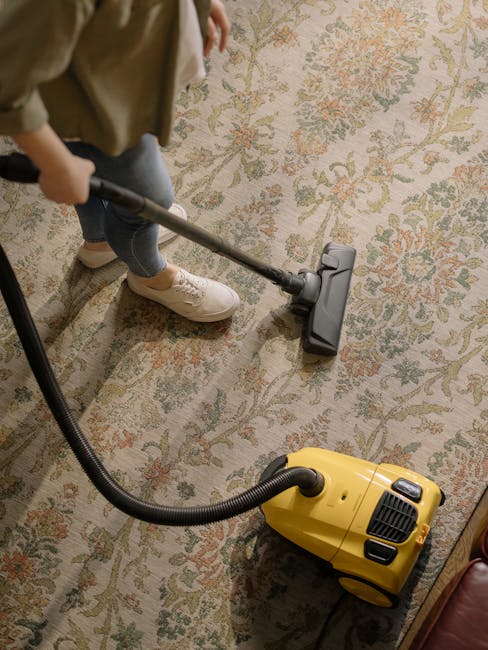
- Vacuum thoroughly. Go slowly. One quick pass is not enough for a proper clean. Edge areas, skirting lines, and under movable furniture deserve attention.
- Spot-test any treatment. Always test stain products in a hidden corner first. A minute of caution can save a costly mistake.
- Pre-treat visible marks. Food, drink, and pet stains usually need a suitable pre-spray or spot solution before deep cleaning.
- Choose the right method. For heavily soiled carpet, extraction methods often work best. For delicate fibres or low-drying-time situations, a lower-moisture option may be more sensible.
- Work in sections. That helps you control cleaning, avoid overlap marks, and manage drying properly.
- Remove residue fully. Leftover cleaning product attracts dirt. That is why rinsing or extraction is so important.
- Dry the room well. Open windows if conditions allow, use ventilation, and keep foot traffic low until the carpet is dry.
- Groom the pile. A carpet rake or brush can help the pile stand up again and dry more evenly.
If the stain is from red wine, ink, makeup, or a pet accident, a specialist spot treatment is usually better than keep-scrubbing and hoping for the best. Hope is not a stain removal strategy, let's be honest.
Expert Tips for Better Results
A few small habits make a big difference. In our experience, the best results usually come from restraint, not force.
- Vacuum before you see the dirt. Regular vacuuming stops grit from becoming embedded. Do it more often in hallways and living rooms.
- Treat spills quickly but calmly. Blot first, work from the outside in, and avoid rubbing hard. Rubbing spreads the stain and roughs up the fibres.
- Use less water than you think. Oversaturation can lead to slow drying and odour. More water is not always more clean.
- Mind the fibre. Wool reacts differently from synthetic carpet. What works on one can be a nuisance on the other.
- Don't overdo detergent. Too much product leaves residue. That residue can make carpets resoil faster than before.
- Plan around weather and airflow. A damp London morning is not ideal for carpet drying. If you can, choose a time when you can ventilate properly.
One thing people often miss: furniture legs can leave marks while carpets are still damp. Use pads or keep heavier items off the floor until the carpet is fully dry. It's a tiny detail, but it saves frustration.
If you have pets, consider pairing regular carpet care with pet stain odour removal and mattress cleaning for a better overall result. Pet odours rarely stay politely in one place.
Common Mistakes to Avoid
Most carpet problems during cleaning come from trying to rush the job. A few of the most common errors are easy to spot.
- Using the wrong product: some cleaners are too harsh, too alkaline, or simply not suitable for delicate fibres.
- Scrubbing aggressively: this can damage the pile and make stains worse.
- Skipping vacuuming: loose soil turns into muddy slurry when wet cleaning starts.
- Not rinsing enough: leftover soap attracts fresh dirt.
- Cleaning only the stain: this can leave a visible ring or patchy result.
- Ignoring drying time: walking on damp carpet too soon can flatten the pile and pick up soil from shoes.
- Assuming every mark is permanent: many stains can be improved a lot, but they need the right process, not panic.
Another common issue is forgetting the surrounding room. If the carpet is cleaned but the sofa, rug, or curtains still look tired, the room can feel oddly unfinished. That is why some households choose one off cleaning or combine carpet work with rug cleaning and sofa cleaning.
Tools, Resources and Recommendations
You do not need a van full of equipment to care for carpets properly, but having the right basics helps a lot. For routine upkeep, the most useful tools are simple.
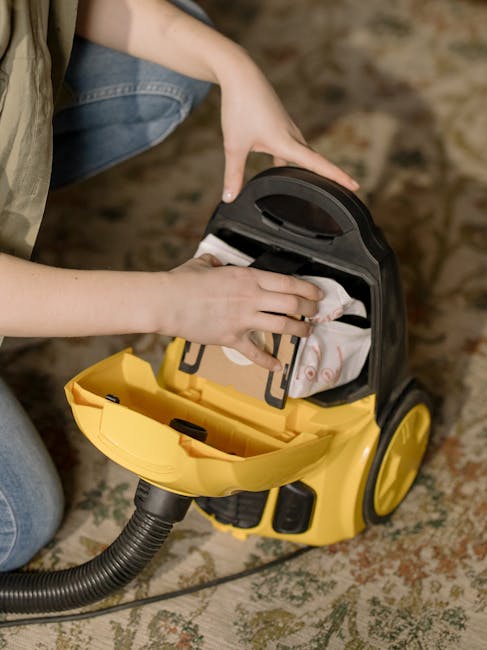
- a good vacuum with a clean filter
- a soft carpet brush or grooming rake
- microfibre cloths for blotting
- a neutral or fibre-appropriate spot cleaner
- a fan or a way to improve airflow after cleaning
- protective pads or foil tabs under furniture legs
If you are booking help, it is worth checking practical service details before anything begins. Look at pricing and quotes, payment and security, and the company's terms and conditions so expectations are clear from the start. That sort of boring admin is actually very useful. Nobody enjoys it, but it keeps surprises out of the day.
If you are interested in sustainability, it also helps to ask how waste water, packaging, and cleaning residues are handled. A sensible approach to recycling and sustainability tells you something about the business as a whole, not just the carpet result.
For support around property presentation and broader home upkeep, you might also find house cleaning and regular cleaning helpful, especially if the carpet issue is part of a wider busy-home pattern rather than a one-off spill.
Law, Compliance, Standards, or Best Practice
Carpet cleaning in a domestic setting is not usually a heavily regulated activity for the homeowner, but good providers still follow sensible UK best practice. That usually means using suitable products, handling chemicals responsibly, working safely around electric equipment, and being careful with wet floors, trip hazards, and ventilation.
For customers, the main checks are straightforward:
- the business should be clear about what method it uses
- staff should be insured and able to explain their approach
- pricing should be understandable before work starts
- the company should have a clear way to handle issues or complaints
- privacy and payment handling should be handled carefully and professionally
You may also want reassurance around safety and liability, especially in a shared building or when letting someone into your home. Pages such as insurance and safety and health and safety policy are useful because they show how a provider thinks about risk, not just cleaning results.
For flats, HMOs, and managed properties, household cleaning often needs to be coordinated around building rules, access timing, and common areas. That is where a company's approach to communal area cleaning or general building care can matter as much as the carpet itself. Small detail, big difference.
Options, Methods, or Comparison Table
Different carpets and different homes call for different cleaning methods. The table below gives a plain-English comparison so you can decide what makes sense.
| Method | Best for | Strengths | Watch out for |
|---|---|---|---|
| Vacuuming and spot cleaning | Routine upkeep and fresh spills | Fast, low cost, good for maintenance | Not enough for embedded soil or old stains |
| Hot water extraction / steam cleaning | Most domestic carpets with built-up dirt | Deep soil removal, strong visual refresh | Needs careful drying and correct technique |
| Low-moisture cleaning | Time-sensitive jobs or more delicate situations | Shorter drying time, less disruption | May not pull out as much embedded soil as extraction |
| Specialist stain treatment | Specific marks like wine, pet accidents, grease, ink | Targets the problem directly | Needs a proper fibre-safe product and patience |
For many TW1 homes, a mix of methods gives the best result. Maybe a deep clean in the lounge, spot treatment in the hallway, and regular vacuuming everywhere else. That's often more effective than insisting on one method for every room.
Case Study or Real-World Example
A typical local scenario goes something like this. A family in a TW1 flat near the station notices their hallway carpet has gone grey along the walking line. The lounge has a faint coffee stain near the sofa, and there is a slightly stale smell after rainy days when wet shoes have been left by the door. Nothing dramatic. Just enough to be annoying.
They start by vacuuming properly, then test a spot cleaner in a hidden area. The coffee mark improves a bit, but the grey traffic lane barely changes. At that point, a deeper clean makes sense because the issue is not only the stain. It is the soil build-up across the pile.
After a professional-style extraction clean, the hallway looks lighter, the carpet pile stands up again, and the room feels less heavy. The coffee mark is still visible if you know exactly where to look, but it is much softer and no longer dominates the space. That's real life. Not perfection, but a strong improvement.
What made the biggest difference? Preparation. The family moved small furniture, vacuumed slowly, and kept the room ventilated afterwards. Simple things, but they mattered. If the same carpet had been cleaned in a hurry and left damp, the result would have been less impressive. Probably a bit grumpy too.
Practical Checklist
Use this checklist before and after carpet cleaning in your TW1 home.
- Identify the room and the carpet fibre type
- Vacuum thoroughly before any wet cleaning
- Test stain treatment in a hidden spot
- Choose a method that suits drying time and carpet condition
- Move fragile items, cables, and small furniture out of the way
- Protect skirting, sockets, and nearby surfaces
- Work from cleaner areas towards dirtier areas
- Blot rather than rub when dealing with fresh spills
- Allow enough drying time before walking on the carpet
- Keep windows open or use ventilation where practical
- Check for remaining spots once the carpet is dry
- Book follow-up help if a stain reappears or the smell remains
Expert summary: The best carpet cleaning result is usually the one that combines the right method, a careful pre-check, controlled moisture, and proper drying. Most failures happen when one of those four gets rushed.
Get a free quote today and see how much you can save.
Conclusion
Carpet cleaning in TW1 homes near Twickenham Station is not just about making the floor look nice for a day. Done well, it helps your home feel cleaner, smell fresher, and last longer. Done badly, it can leave residue, dampness, or a bigger stain than you started with. So the difference really is in the details.
If you remember only a few things from this guide, make them these: vacuum properly, test treatments first, avoid excess water, and do not panic-clean a stain into a disaster. Whether you are maintaining a family home, preparing a rental, or just trying to make a room feel less tired on a Monday morning, a thoughtful approach pays off.
If you want a broader home refresh alongside carpet care, it can also be worth looking at house cleaning, one off cleaning, and about us to understand the service approach behind the work. And if you have questions or a slightly awkward stain that needs proper attention, there is no shame in getting help. That is often the smart move, truth be told.
Fresh carpets make a home feel more settled. Sometimes that is all it takes to breathe easier.
Frequently Asked Questions
How often should carpets in TW1 homes near Twickenham Station be cleaned?
It depends on foot traffic, pets, and whether people walk in with wet or dirty shoes. Many homes benefit from a proper deep clean every 6 to 12 months, with regular vacuuming in between. Hallways and busy living rooms may need attention sooner.
Is steam cleaning safe for all carpets?
No method suits every carpet. Steam or hot water extraction is widely used, but delicate fibres, some rugs, and carpets with prior damage may need a lower-moisture approach. A fibre check first is always sensible.
Can old stains still come out?
Sometimes yes, sometimes only partially. Old stains may have bonded with the fibre or backing, especially if they were scrubbed in at the time. A specialist stain treatment can still improve them quite a bit, even when perfect removal is unrealistic.
Why does my carpet smell worse after cleaning?
That can happen if the carpet was over-wet, under-rinsed, or not dried quickly enough. It can also happen when a hidden stain is reactivated and rises back to the surface. Good airflow and proper extraction usually reduce this risk.
Do I need to move all my furniture before a carpet clean?
Not always, but it helps to move smaller items, fragile objects, and anything that could stain if damp. Larger furniture may be worked around or moved as part of the service depending on the room and the provider's policy.
What should I do before a professional cleaner arrives?
Vacuum if you can, clear clutter from the floor, point out any stains or problem areas, and mention pets, delicate fibres, or previous spot treatments. A little prep helps the work go smoother and avoids awkward guessing.
Is carpet cleaning worth it for rental properties?
Usually, yes. Clean carpets improve presentation, help with inspections, and can make a property feel more cared for. For tenancies, it is often best to coordinate with end of tenancy cleaning rather than treating the carpet as an afterthought.
How long does a carpet take to dry?
Drying time varies with method, ventilation, pile depth, and the time of year. A low-moisture clean dries faster, while deep extraction can take longer. Good airflow helps a lot, especially in cooler London weather.
What is the difference between carpet cleaning and stain removal?
Carpet cleaning focuses on the whole carpet: soil, residue, freshness, and appearance. Stain removal targets a specific mark or issue. In many homes, both are needed because a single stain can sit inside an otherwise dirty carpet, or vice versa.
Can carpet cleaning help with allergies?
It may help reduce dust and trapped debris in the carpet, which some people notice in everyday comfort. It is not a medical treatment, but a cleaner carpet can make indoor space feel less heavy and dusty.
Should I choose carpet cleaning, rug cleaning, or upholstery cleaning first?
Start with the item that bothers you most or carries the most soil load. In a lounge, that is often the carpet. In some homes, a rug or sofa can be the real source of the stale smell, so the whole room should be considered as one job rather than separate little islands.
How do I know if I need a professional rather than DIY cleaning?
If the stain is old, the carpet is expensive, the odour is persistent, or the room needs a strong refresh without trial and error, professional help is usually the safer choice. DIY can work for light maintenance, but not every job should be improvised at 9pm with a bottle of whatever is under the sink.